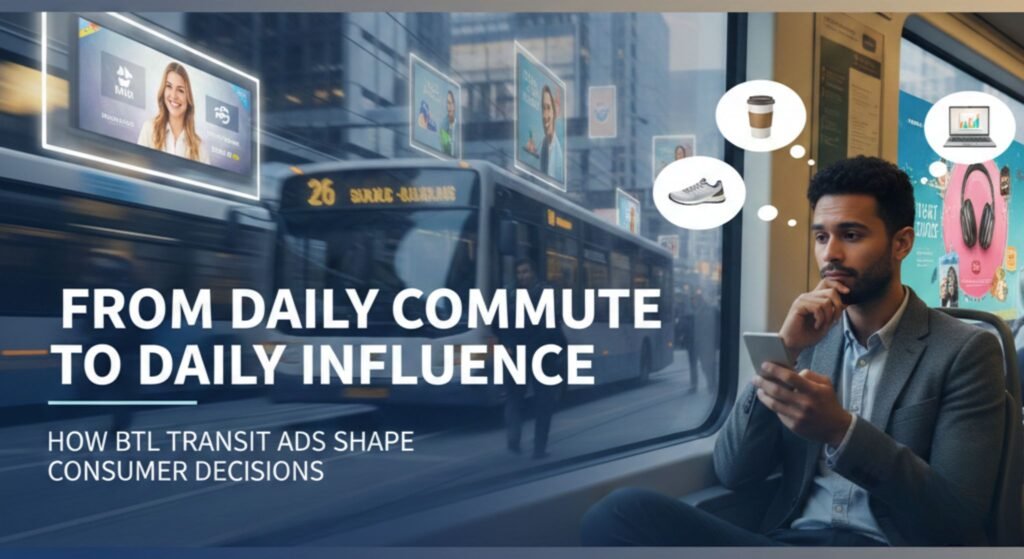
In today’s cluttered digital landscape, brands are rediscovering the power of BTL advertising, especially transit advertising, to influence consumer decisions where attention is most captive—during the daily commute. From buses and metro trains to auto-rickshaws and station takeovers, OOH advertising in delhi ncr spaces has evolved from simple visibility to a powerful decision-shaping tool.
Unlike digital ads that can be skipped or blocked, transit media advertising delivers repeated exposure in high-traffic environments. Commuters see the same message day after day, creating strong brand recall through frequency and familiarity. This consistent visibility plays a key role in shaping consumer perception and trust—two critical drivers of purchase decisions.
One of the biggest advantages of BTL advertising is hyper-local targeting. Brands can strategically place ads along specific routes, neighborhoods, or business hubs, ensuring the message reaches the most relevant audience. For example, a food delivery brand advertising on buses near office districts taps into commuters already thinking about meals, while an education brand promoting coaching classes near metro stations connects with students at the right moment.
Another reason transit ads influence consumer behavior is context. A commuter stuck in traffic or waiting on a platform is far more likely to notice bold creatives, clever copy, and eye-catching visuals. This dwell time increases engagement and message retention, making bus branding, metro advertising, and train wrap ads highly effective compared to fleeting digital impressions.
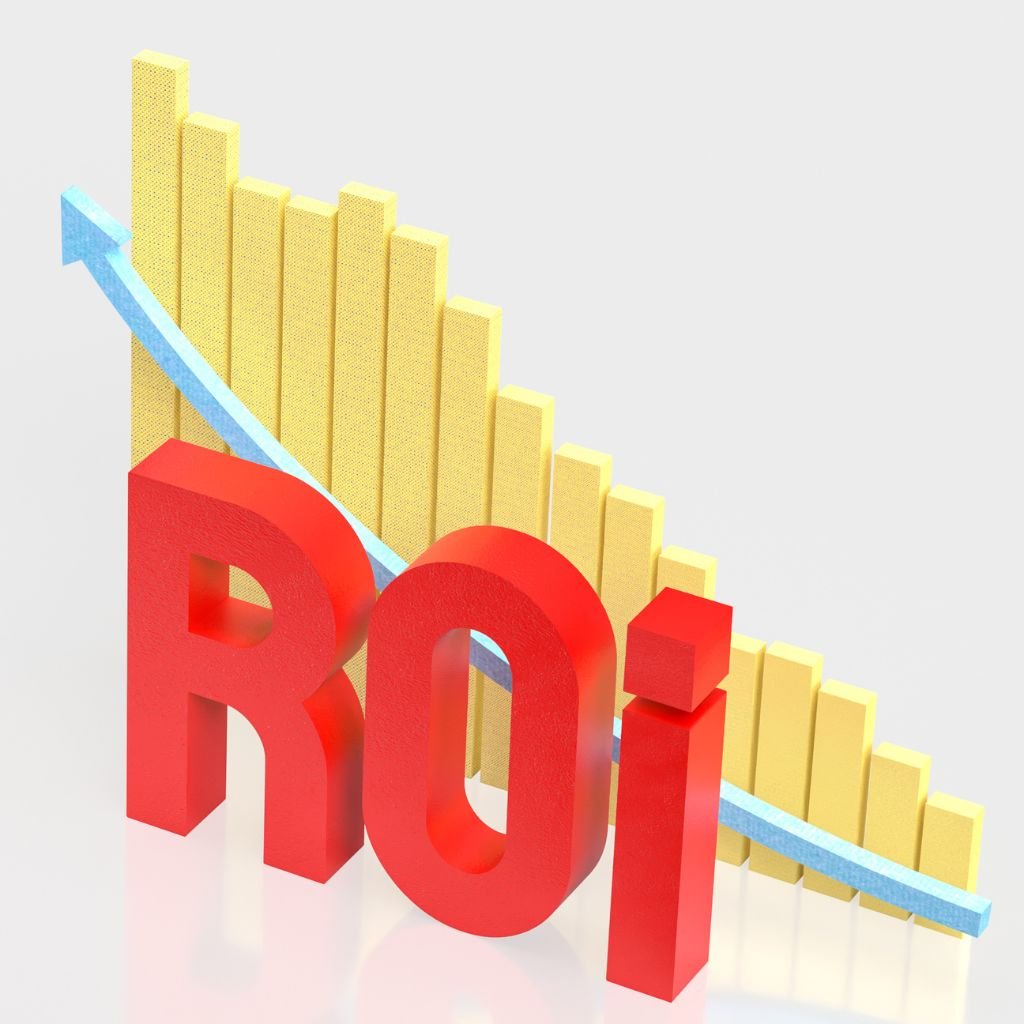
From a cost perspective, BTL advertising solutions like transit ads offer excellent ROI. They provide mass reach at a lower cost than traditional ATL media while still allowing creativity and customization. When combined with QR codes, location-based offers, or social media integration, transit advertising campaigns can even drive immediate action—bridging the gap between offline exposure and online conversion.
Ultimately, the daily commute is no longer just a routine—it’s a repeated brand touchpoint. By leveraging strategic transit advertising, brands can turn everyday journeys into moments of influence, shaping consumer decisions subtly but consistently. In a world of endless scrolling, sometimes the most powerful impression is the one that travels with your audience every single day.
