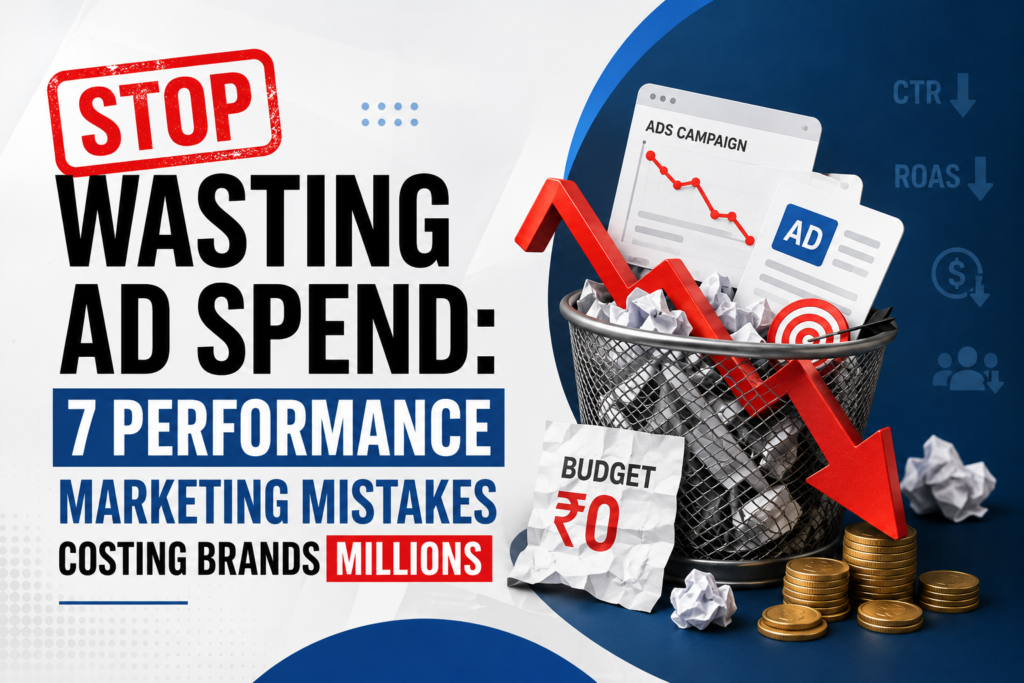
Stop Wasting Ad Spend: 7 Performance Marketing Mistakes Costing Brands Millions
Every marketer dreams of launching a campaign that generates leads, drives conversions, and delivers a healthy return on investment. Yet, countless businesses unknowingly waste a significant portion of their advertising budget because of avoidable performance marketing mistakes. Whether you’re running Meta Ads, Google Ads, LinkedIn campaigns, or integrating offline media into your marketing strategy, understanding these pitfalls can dramatically improve your campaign performance.
Modern performance marketing isn’t just about spending more—it’s about spending smarter. Brands that combine digital strategies with high-visibility offline channels like transit advertising often experience stronger brand recall, lower acquisition costs, and higher conversion rates.
If your campaigns aren’t producing the results you expected, here’s what could be going wrong.
1. Focusing on Clicks Instead of Conversions
One of the biggest mistakes marketers make is celebrating high click-through rates while ignoring actual business outcomes.
A campaign may receive thousands of clicks, but if visitors don’t purchase, register, or inquire, those clicks become expensive vanity metrics.
Instead, focus on:
- Cost Per Acquisition (CPA)
- Return on Ad Spend (ROAS)
- Customer Lifetime Value (CLV)
- Conversion Rate
Successful performance marketing measures revenue—not traffic.
2. Ignoring Audience Segmentation
Many brands still target broad audiences hoping their ads will resonate with everyone.
Unfortunately, advertising to everyone usually means connecting with no one.
Build audience segments based on:
- Demographics
- Interests
- Purchase behavior
- Geographic location
- Previous website interactions
Personalized campaigns consistently outperform generic messaging because they speak directly to customer needs.
3. Not Building Brand Awareness Before Selling
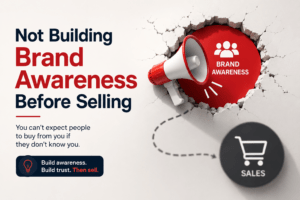
Consumers rarely buy from brands they’ve never heard of.
Performance campaigns work significantly better when audiences already recognize your brand.
That’s why leading businesses combine digital campaigns with high-impact transit advertising and outdoor branding.
Imagine a commuter seeing your brand on buses, metro stations, or cabs every day. Later, when your Meta or Google ad appears, familiarity increases trust—and trust improves conversion rates.
Businesses looking to strengthen both online and offline visibility can explore comprehensive branding solutions through Transit Advertising, which offers nationwide transit media, outdoor advertising, brand activation, retail branding, and experiential marketing solutions.
4. Sending Traffic to Poor Landing Pages
Your advertisement is only half the equation.
If users land on a slow, confusing, or outdated website, they’ll leave immediately.
Common landing page mistakes include:
- Slow loading speed
- Weak headlines
- Too many distractions
- No clear Call-to-Action
- Poor mobile optimization
A good landing page should answer one simple question:
“Why should I take action right now?”
Improving landing page experience often increases conversions without increasing advertising spend.
5. Not Testing Creatives Regularly
Consumer attention changes quickly.
Running the same advertisement for months leads to ad fatigue.
High-performing brands continuously test:
- Headlines
- Images
- Videos
- CTA buttons
- Ad copy
- Color schemes
Even small creative changes can improve click-through rates and reduce acquisition costs.
A/B testing should become a routine part of every performance marketing campaign.
6. Depending on a Single Marketing Channel
Many businesses rely entirely on Meta Ads or Google Ads.
This creates unnecessary risk.
If advertising costs rise or algorithms change, lead generation can decline overnight.
Diversification creates stability.
An effective marketing mix often includes:
- Google Ads
- Meta Ads
- LinkedIn Ads
- SEO
- Email Marketing
- Content Marketing
- Outdoor Advertising
- Transit Advertising
- Brand Activations
Integrating offline branding with digital campaigns helps customers encounter your brand multiple times before making a purchase.
Research consistently shows repeated exposure increases trust and purchase intent.
Companies like TransitAdz help businesses extend digital campaigns into the physical world through bus branding, cab branding, metro advertising, retail branding, wall painting, events, and BTL activations, creating stronger omnichannel visibility.
7. Not Tracking the Entire Customer Journey
Many marketers stop tracking once someone clicks an advertisement.
However, today’s buyers often:
- See an ad
- Visit the website
- Leave
- Read reviews
- See another advertisement
- Visit social media
- Return later
- Finally convert
Ignoring these touchpoints results in poor optimization decisions.
Track:
- First interaction
- Assisted conversions
- Multi-touch attribution
- Repeat visits
- Returning customers
- Offline interactions
The more complete your data, the better your marketing decisions become.
Bonus Tip: Don’t Ignore Offline Performance Marketing
Many marketers believe performance marketing exists only online.
That’s no longer true.
Offline channels can significantly improve digital campaign performance.
For example:
- A customer notices your bus advertisement during their commute.
- Later, they encounter your Instagram advertisement.
- The next day, they search for your brand on Google.
- Finally, they complete a purchase.
Without the initial brand exposure, that conversion may never have happened.
This is why modern brands increasingly combine digital campaigns with transit advertising, creating multiple customer touchpoints throughout the buying journey.
How to Reduce Wasted Ad Spend
Here’s a simple checklist before launching your next campaign:
- Define clear campaign objectives.
- Optimize for conversions instead of clicks.
- Segment your audience carefully.
- Test multiple creatives.
- Improve landing page experience.
- Track every stage of the customer journey.
- Combine digital campaigns with offline branding.
- Review campaign data weekly.
- Scale only what consistently performs.
